<img height="1" width="1" style="display:none" src="https://www.facebook.com/tr?id=4596859927212271&amp;ev=PageView&amp;noscript=1">
Home Courses Extension of Stay
Self-Paced Video Course

Extension of Stay: Step by Step Guide for F1 Students

Your F‑1 stay now has a fixed end date. Learn what changed, whether it applies to you, and exactly how to prepare — taught from your school’s side of the desk.
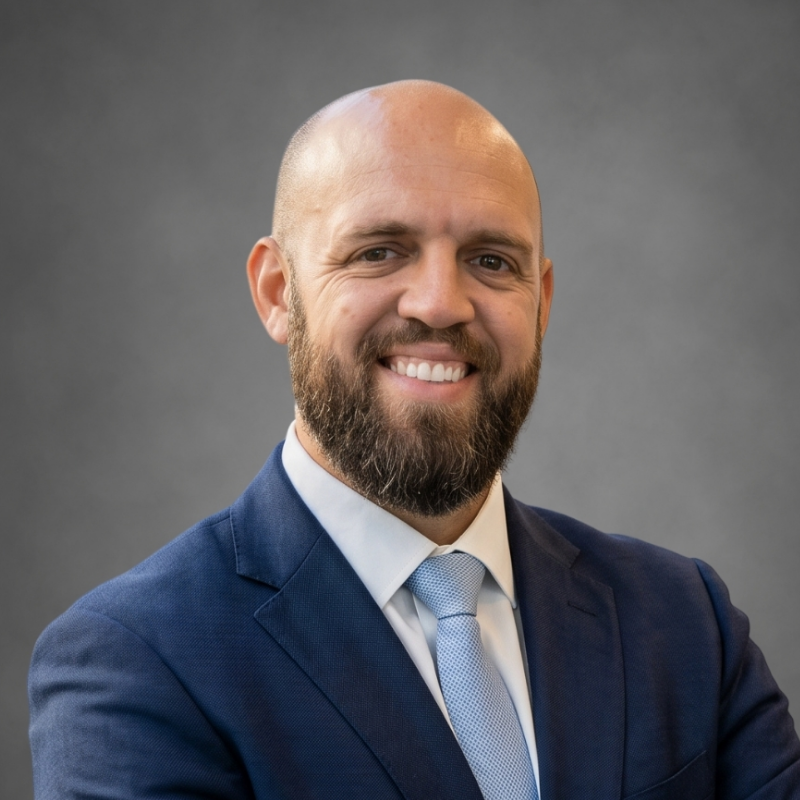
Josh Schoonover
Taught by Josh
Designated School Official (DSO)

14 short lessons · watch in order once, then return as questions come up.

Home Courses Extension of Stay
Self-Paced Video Course

Extension of Stay: Step by Step Guide for F1 Students

Your F-1 stay now has a fixed end date. Learn what changed, whether it applies to you, and exactly how to prepare — taught from your school’s side of the desk.

Josh Schoonover
Taught by Dr. Josh Schoonover
Principal Designated School Official (PDSO)

14 short lessons · watch in order once, then return as questions come up.

14 Lessons

Short modules

9 Situations

OPT, CPT & more

Self-paced

Rewatch any lesson

About this course

What You’ll Learn

Whether the new fixed-period rule applies to you — and whether you’ll need an Extension of Stay at all.
How to apply step by step: from your DSO’s recommendation to preparing and filing Form I-539 with USCIS.
What you can — and can’t — do while your application is pending, including the automatic period of up to 240 days.
How the rule changes transfers, second degrees, Day 1 CPT, OPT, and the wait for H-1B.
A five-point plan to prepare before the September 15, 2026 effective date — and four mistakes to avoid.
When to file (as early as 180 days out), what documents to expect, and how to handle an RFE if one comes.
CPT, OPT and more

Situations Covered

Second master’s degree
For students beginning another graduate program after completing a previous degree.
Transferring schools
Guidance for students moving their SEVIS record from one school to another.
Day 1 CPT programs
Key considerations for students whose enrollment includes immediate CPT participation.
Waiting for H-1B
Helpful if you are navigating timing gaps while waiting on H-1B-related next steps.
On OPT / STEM OPT
Covers considerations for students currently in post-completion OPT or STEM OPT.
Program delays
Useful when academic timelines, graduation dates, or program schedules change.
Syllabus

Course Modules

Five core lessons walk through the rule from start to finish.

01

Welcome to Extension of Stay

An introduction to the course and the four questions it is built around: Does the rule apply to you? Will you need an Extension of Stay? How should you prepare? And what should you do next. Meet your instructor and learn how to use the lessons and the Common Situations section.
02

What’s Changed?

A side-by-side look at the shift from Duration of Status — where your DSO could extend your I-20 and most students never dealt with USCIS — to a fixed admission period where USCIS becomes part of the extension process. What actually changed, what stays the same, and why the biggest difference is how your time in the U.S. is managed.
03

Navigating the Transition

Orients you to the window between the rule’s July 17, 2026 publication and its September 15, 2026 effective date, and how it lands differently for current students versus new admissions. Lays out a five-point action plan and — just as important — the four things to avoid, so you’re preparing rather than reacting to rumors.
04

How Do I Apply for an Extension of Stay?

A step-by-step walkthrough from your DSO recommendation through preparing and filing Form I-539 with USCIS — including when to file (as early as 180 days out) and why you shouldn’t wait. Covers the documents to expect, the fees to verify, what happens after you file, and how to handle an RFE if one comes.
05

What Happens While My Application Is Pending?

Explains the automatic authorization period of up to 240 days that a timely, qualifying filing can provide — and its limits. Walks through what you may be able to do while USCIS reviews your case (continue studying, begin a new program, continue CPT) versus what a pending application does not do, plus what happens if 240 days pass with no decision.
Syllabus

Common Situations

9 Common Situations modules focus on the cases students ask about most.

06

Can I Still Get a Second Master’s Degree?

The new academic progression requirement, and why lateral moves at the same level — an MBA after an MS, a third master’s, a second doctorate — are generally no longer permitted. Covers how the transition provisions treat students who started before September 15, 2026, the role of the word “generally,” and what progression options exist instead.
07

I’m About to Transfer Schools

The new transfer restrictions — the one-academic-year rule for undergraduates, the completion requirement for graduate students — and the academic progression your next program has to meet. When a SEVIS transfer alone isn’t enough, how the five-month rule and the 240-day period apply, and the checklist to run before you commit.
08

I’m in a Day 1 CPT Program

Day 1 CPT hasn’t been eliminated — but it now sits alongside transfer, academic progression, and Extension of Stay requirements you need to account for. When you can begin or transfer into a Day 1 CPT program, the OPT/STEM OPT considerations before ending it early, and whether CPT can continue while your Form I-539 is pending.
09

I’m Waiting for My H-1B

How to maintain F-1 status while an H-1B petition (or a separate Change of Status application) is pending — and why a pending filing doesn’t automatically extend your authorized stay. Covers your options if H-1B plans change, from STEM OPT to another eligible program.
10

I'm on OPT

The fixed-period rule reframes OPT and STEM OPT around a distinction that now matters a lot: permission to work versus permission to stay. Why OPT can now involve two separate USCIS applications (Form I-765 and Form I-539), how the six-month transition provisions affect your filing, and how to tell whether your authorized stay actually covers the time you want to work.
11

Program Is Taking Longer Than Expected

Sorts the reasons students need more time into those that may support an Extension of Stay — dissertation research, an authorized reduced course load, approved medical circumstances — and those that generally don’t, including the common misconception about failing a class. Covers the four-year admission limit, how annual vacation fits in, and why an updated I-20 alone doesn’t extend your stay.
12

How Does the New Fixed-Period Rule Affect Me?

The fixed-period rule separates OPT work authorization from your legal permission to stay in the U.S. This guide explains why you may need two USCIS forms (I-765 and I-539), how six-month transition rules impact filing, and how to ensure your stay covers your intended work timeline.
13

My Grace Period is Ending

This guide covers the grace period reduction from 60 to 30 days, transition exceptions, and remaining options like OPT, transfers, or extensions—highlighting why early planning is now essential.
14

I'm an F-2 Dependent

This guide details how the rule affects F-2 dependents, who must extend status alongside the F-1 principal. It covers filing options, international travel risks while a case is pending, and the steps for changing from F-2 to F-1 status.
your instructor

Learn More About Josh

Joshua Schoonover

Dr. Josh Schoonover, PDSO

Principal Designated School Official

Josh works closely with international students on F-1 status, extensions, school requirements, and the USCIS process. This course explains the process from a practical school-side perspective.

DSO perspective F-1 status School + USCIS process
QUESTIONS BEFORE ENROLLING

Frequently Asked Questions

Is this course legal advice?

No. This is educational content that explains the rule and the process in plain language. For decisions about your individual case, talk to your DSO or an immigration attorney.

Does the new rule apply to me?

That’s the first question the course answers. The rule takes effect September 15, 2026 and treats current students and new admissions differently — Module 3 walks through exactly how the transition works for each group.

Do I need to watch the modules in order?


We recommend watching in order the first time — the five core lessons build on each other. After that, treat the Common Situations modules as a reference and return whenever a question comes up.

Will the course stay up to date?

The course is built around the rule as published on July 17, 2026. As agency guidance evolves, lessons are updated — your enrollment includes those updates.

Who is this course for?

F-1 students — currently enrolled or recently graduated — including students on OPT or STEM OPT, in Day 1 CPT programs, planning a transfer or second degree, or waiting on an H-1B.